

Humanist Response Guides [Short Version]
1b Should We Stop Eating Meat & Dairy?
What's the Problem? Countless millions of chickens, sheep, pigs, cows and other animals are slaughtered each year, including many that are factory farmed, which means they are dosed with antibiotics and growth hormones, and kept in conditions that some consider cramped and cruel. But animals are an important source of food in many cultures. So, is the suffering and environmental cost involved in animal husbandry justified or acceptable, especially in affluent countries such as the UK?
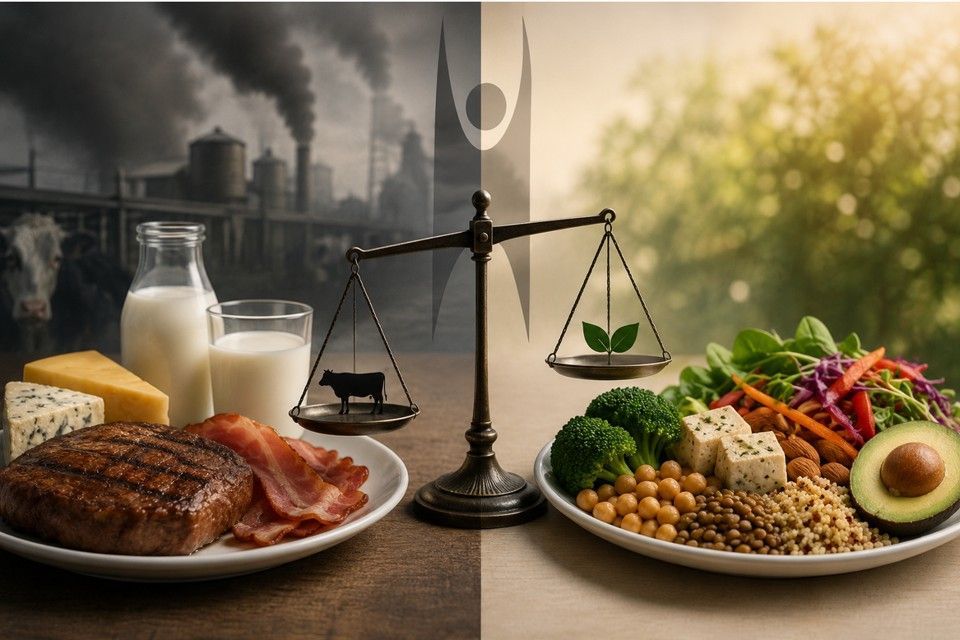
The Case Against: Critics argue that animals should not be viewed as commodities to be exploited and that eating meat, and keeping dairy cows and battery hens, is intrinsically inhumane: we don't need meat, eggs or dairy products to survive, and reducing meat consumption would enable more people to be fed, as farmed animals are poor converters of plant protein. There’s also the environmental cost of animal husbandry: discharges from intensive chicken farming are often blamed for serious deterioration in water quality in our rivers, and worldwide catering for growing numbers of farmed livestock significantly contributes to habitat destruction, biodiversity loss and pollution.
The Case For: Supporters argue that meat, eggs and dairy are a natural part of a balanced diet and that Homo sapiens has relied on animals for food, clothing and haulage since time immemorial. They also point out that meat, fish and dairy products are commonly associated with special occasions and communal meals in many societies, reflecting the importance such foods in social interactions and cultural practices. Implicit in this view is the belief that a moral distinction can be drawn between human beings and the rest of the animal kingdom. Clearly, meat or dairy could be produced more humanely (at a cost), and people could go flexitarian and reduce their consumption of meat and dairy (especially beef). But there are still difficult moral issues to confront, including the routine killing of unwanted male calves and newly hatched male chicks.
Second Order Effects: There are other factors to take into account when weighing up the pros and cons of eating (or abstaining from eating) meat, eggs and dairy. Perhaps the most concerning is what would happen to rural life, the agricultural industry and the UK economy if the market for meat and dairy collapsed, and the impact this would have on the British countryside, tourism, and land and house prices.
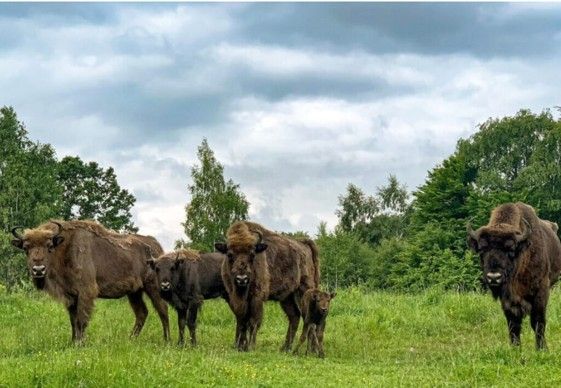
One might also want to factor into the discussion the pros and cons of “land abandonment” or “rewilding”, and possibly establishing populations of large herbivores like these bison (and their predators?) to keep the vegetation under control. (Much upland is simply not suitable for growing food crops.) Of course, a more detailed assessment of the potential impact of going meatless and dairy free would also have to take account of the wider economic benefits, including lower healthcare costs and reduced environmental damage.
Humanist Thinking: As the Declaration of Modern Humanism points out, humanists “feel a duty of care to all of humanity, including future generations, and beyond this to all sentient beings… and [we] accept our responsibility for the impact we have on the rest of the natural world.” Humanist organisations also endorse calls for animals to be treated humanely, with some of the view that if an animal rights position is adopted, it would be absurd to argue that “animals have a right to life but that this right can be overridden by people who enjoy shooting or eating them”.
The humanist movement had much to say about such issues fifty years ago. As technology, environmental pressures and our understanding of animal welfare continue to evolve, is this an issue on which humanists should be rethinking long-held assumptions?
Continuing the Conversation
Why not raise these questions at your next humanist group meeting or school talk?
Discussion prompts could include:
- Which of the above argument did you find most persuasive, and why?
- Does humanism require us to adopt or decease from particular practices, or does it simply encourage us to think ethical questions through carefully?
- How should we weigh competing values such as animal welfare, environmental sustainability, human livelihoods, health and personal freedom?
- Has reading this article changed your own thinking about eating meat / dairy?

Image Credits: Humanistically Speaking + Bison photo credit
