2017-28: Fake News in the Classroom
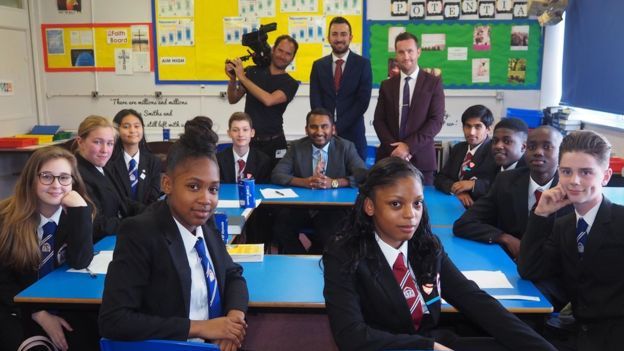
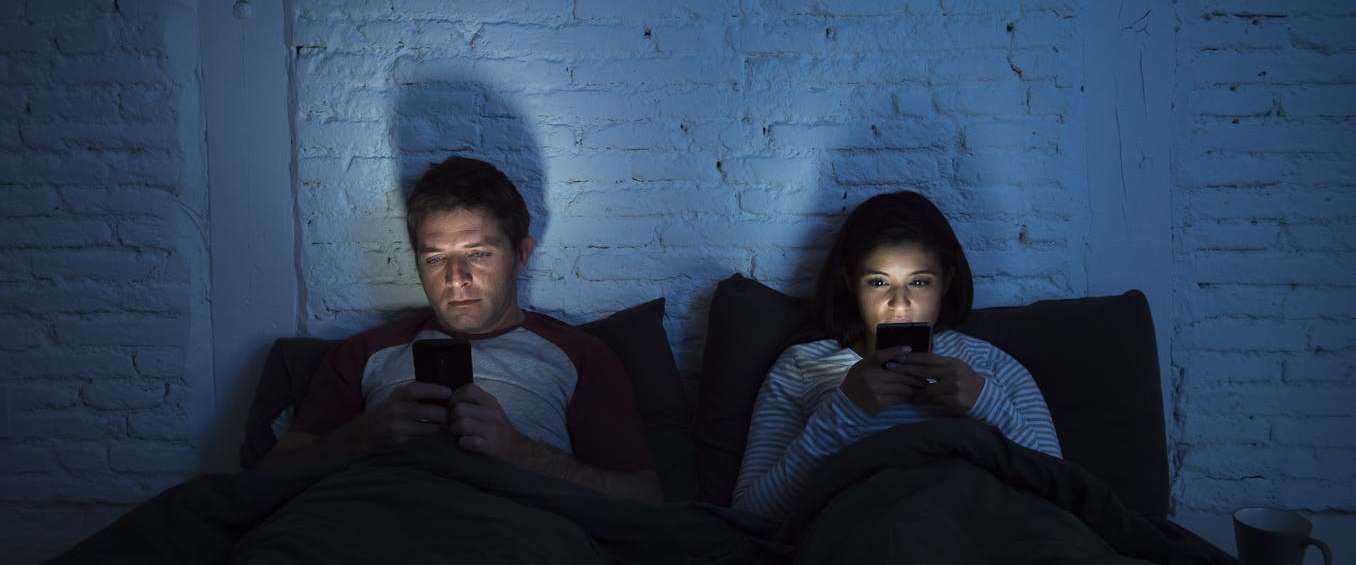
How do teenagers get their news, and more importantly, can they distinguish fact from fiction? These were the questions posed by the BBC’s Media Editor, Amol Rajan, in a recent article. He asked teenagers at Cardinal Wiseman school in Birmingham if they could tell whether three stories he told them were true or fake. Apparently, the students knew the phrase fake news and “didn't associate it particularly with Donald Trump." They were "profoundly sceptical about the news they get from what they didn't quite refer to as the mainstream media." These young people, he notes, “spend hours and hours, and hours and hours, online from morning to night. Leave aside what this does to the wiring of their brains, which is beyond my expertise; it creates such an avalanche of facts, opinions, images and conflicting messages that it is a challenge even for a discerning reporter or a judicious philosopher to know what can and can't be trusted online.”
And the result? The teenagers “mostly gave wrong
answers”, and while they “asked all the right questions" they drew "all the wrong
conclusions, seeing lies where truth resided, and truth where lies ran rampant.”
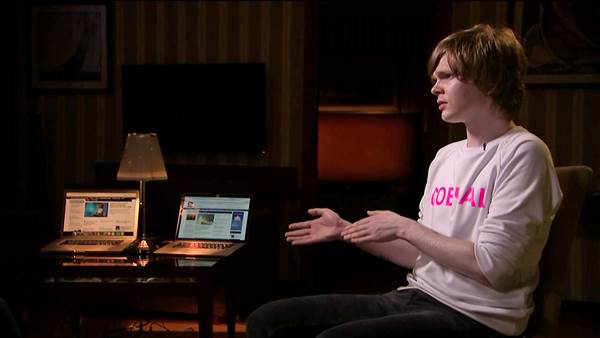
The article contains an excellent short interview with the head and some of the students who took part (who looked genuinely surprised at getting it wrong).